
What Choreographers Need From a Dance Sneaker
KEY TAKEAWAYS
- Choreographers move between styles, surfaces, and contexts constantly. Their sneakers need to keep up with all of it without a shoe change
- The five non-negotiables for choreographers are: floor versatility, pivot support, lightweight construction, cushioning for long sessions, and a design that photographs and performs equally well
- A choreographer's sneaker is not just practice gear. It is in every rehearsal video, every set visit, every class they teach. The look matters as much as the function
- Fuego's full lineup covers both male and female choreographers across every style context, from hip hop to Latin to commercial performance
A dancer needs a good shoe. A choreographer needs a great one.
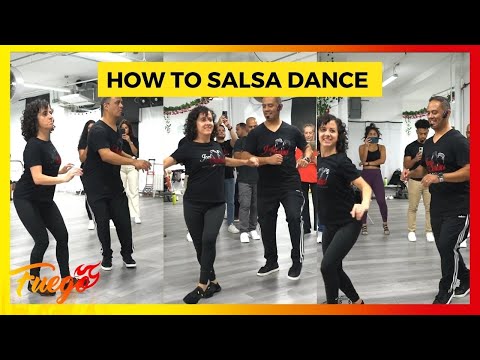
The difference is in how the shoe gets used. A dancer wears their sneakers to class, to rehearsal, maybe to a social. A choreographer wears theirs to all of that, plus every demo they run, every combination they mark through while teaching, every moment they step into the center to show rather than tell. The choreographer's sneaker is on camera, in the room, and on the floor simultaneously.
That changes what the shoe needs to do.
The Five Things a Choreographer Cannot Compromise On
1. Floor Versatility

Choreographers work on hardwood, marley, concrete, sprung floors, and occasionally surfaces that were not designed for dance at all. A shoe that performs beautifully in one context and falls apart in another is not a professional tool.
The outsole compound matters most here. It needs to provide enough grip to stay stable through fast direction changes while allowing enough glide for the pivots and slides that choreography constantly requires. Too grippy and turns become unpredictable. Too slick and control disappears.
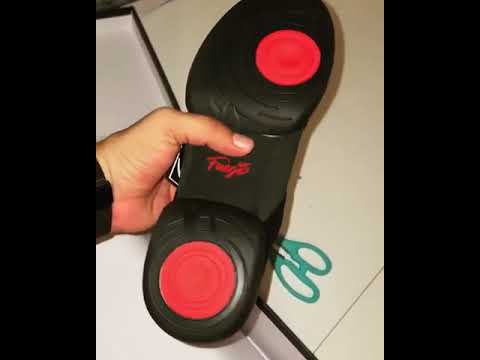
Fuego's FlowTec™ outsole is a non-marking compound engineered to handle this balance across indoor and outdoor surfaces. The dual pivot points under the ball of the foot and heel support clean rotation on any floor without leaving marks or catching mid-movement.
2. Pivot Support

Choreographers demonstrate turns, direction changes, and transitions more than anyone else in the room. Every time they mark through a combination, every time they show a turn sequence, the pivot points in their shoe are doing work.
A shoe without dedicated pivot support transfers torque directly into the knee on every rotation. Over a day that involves marking the same eight-count forty times from the front of the room, that adds up to a meaningful injury risk.
The dual pivot points in Fuego's lineup are built precisely for this. Rotation happens at the ball of the foot and heel rather than against the floor, which means cleaner demos and less joint stress across a long day.
3. Lightweight Construction

The heavier the shoe, the more energy goes into managing the shoe rather than the movement. For a choreographer who is on their feet for six, eight, ten hours across rehearsals and teaching sessions, shoe weight compounds into real fatigue by the end of the day.
Fuego's lightweight construction keeps that load minimal. When the shoe disappears from your awareness, the movement gets your full attention.
4. All-Day Cushioning

Choreographers do not sit down. A shoe that feels great in the first two hours needs to still be working in hour eight. Cushioning that compresses and stays flat after a few hours of use does not serve a professional who cannot take their shoes off mid-session.
Fuego's premium cushioned insoles are designed for sustained wear, absorbing repetitive impact across long sessions without losing their responsiveness. For choreographers who move at high intensity across full days, the insole is as important as the outsole.
5. A Design That Works On and Off Camera

This is the non-negotiable most sneaker guides do not mention, but every choreographer understands.
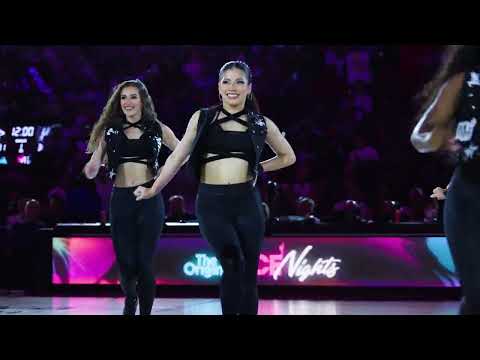
Your sneakers are in every behind-the-scenes video, every rehearsal clip posted to social, every class taught on camera, every collaboration meeting. They are part of how you present yourself as a professional. A shoe that performs but looks like a gym shoe limits the visual identity of your work in a culture where visual identity matters enormously.
Fuego builds sneakers that belong on the dance floor and in front of a camera simultaneously.
The Right Fuego Picks for Choreographers
For Men
 Derek Hough Low-Top
 Red Low-Top
 Silver High-Top
 Latte Split-Sole
For Women
 Champagne Low-Top
 White High-Top
 Pink Split-Sole
 Lavender Wedge
Why the Shoe a Choreographer Chooses Matters

The choreographer sets the standard in the room. What they wear signals what they value, how seriously they take the craft, and what level of professionalism they bring to the work.
A shoe that performs at the level the work demands, that looks right in every context, and that protects the body doing the teaching, is not an accessory. It is equipment.
The #FuegoFam is built on this principle. From the studio to the stage to the content feed, Fuego sneakers are built for people who cannot afford for their gear to be the weak link in the room.
Explore the full Fuego collection and find the pair that matches what you bring to every session.
FAQs
What are the best sneakers for dancers who choreograph?
The best sneakers for dancers who choreograph combine floor versatility, dedicated pivot support, lightweight construction, all-day cushioning, and a design that looks professional on camera. Fuego's lineup, including the Derek Hough Low-Top, all-black low-top, silver high-top, and pastel low-top, covers these requirements for both male and female choreographers across every style context.
What makes good sneakers for dancing when you teach or choreograph?
Good sneakers for dancing in a teaching or choreography context need to handle repeated demonstrations across long days without losing cushioning or pivot performance. They also need to work on varied surfaces and look professional in video and in-person contexts where the choreographer's appearance is part of their professional identity.
Are dancing sneakers different from regular athletic sneakers?
Yes, significantly. Dancing sneakers are built with pivot points for smooth rotation, non-marking sole compounds that balance grip and glide, and lightweight construction for sustained movement. Regular athletic sneakers have aggressive forward-grip patterns that interfere with lateral movement, turns, and the continuous pivoting that choreography constantly requires.
What sneakers for dancing work best across multiple styles?
A full-sole low-top with non-marking pivot support covers the widest range of styles. Fuego's Red low-top and Derek Hough Low-Top both work across hip hop, Latin, contemporary, and commercial contexts. For choreographers who work in elevated styles, the wedge collection adds versatility for Latin and heels-adjacent movement.
Why does shoe weight matter for choreographers?
Choreographers are on their feet for six to ten hours across teaching and rehearsal sessions. Heavier shoes accumulate fatigue faster because the leg is lifting more mass with every step. Lightweight dancing sneakers reduce that cumulative load so the choreographer can maintain quality of movement and demonstration throughout the full day.